VPN vs Antivirus: Do You Need Both?
Key points
- A VPN protects traffic on the network; antivirus protects your device from malware.
- A VPN does not scan files or block viruses, so it is not malware protection.
- Antivirus does not hide your IP address or encrypt your traffic.
- Most people benefit from running both, since they cover different threats.
On this page
People often treat a VPN and antivirus as rivals, as if you must choose one. They are not rivals. They are two different tools that protect two different things. Confusing them leads to a dangerous gap, because someone who buys a VPN expecting virus protection has bought the wrong tool for that job.
This guide makes the difference clear. We will look at what each one actually does, where they overlap (barely), and why most people are best served by running both. If you are still new to VPNs, our plain English VPN guide sets the stage.
The Short Answer
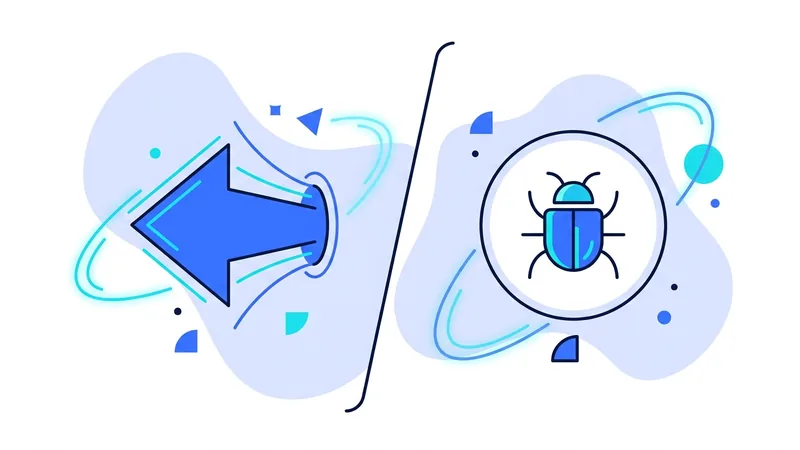
A VPN protects your traffic on the network. It encrypts the connection between your device and a VPN server, and it hides your IP address from the sites you visit. Antivirus protects your device. It scans files and watches running programs to catch and remove malware.
Those are separate jobs. A VPN does not scan files, and antivirus does not encrypt your network traffic. Because the threats they address barely overlap, the two tools complement each other rather than compete. For most people, the right answer is both.
What a VPN Does
A VPN works at the network level. When it is on, everything your device sends travels through an encrypted tunnel to a VPN server. Anyone watching the network in between, like the owner of a hotel or cafe connection, sees scrambled data going to one server and cannot read it. The mechanics are covered in our guide to how VPNs work.
It also swaps your IP address for the server's, so websites see a shared address instead of your home connection. That improves privacy and protects you on networks you do not control. What a VPN does not do is look at the contents of files on your device. It moves your traffic safely. It does not inspect what that traffic contains for danger.
What Antivirus Does
Antivirus, sometimes called endpoint or malware protection, works on the device itself. It watches the files you download and the programs you run, comparing them against known threats and suspicious behavior. When it spots something dangerous, it quarantines or removes it.
Good antivirus also guards against threats a VPN never touches: a malicious email attachment, an infected program from a sketchy download site, ransomware that tries to lock your files. These are dangers that live on your device, not on the network path. No amount of encryption stops a virus you have already downloaded and opened.
Why a VPN Is Not Malware Protection
This is the misunderstanding worth killing for good. Some VPN marketing implies that a VPN keeps you "safe" in a broad way, and people read that as protection from viruses. It is not.
Picture downloading an infected file while connected to a VPN. The VPN encrypts the download as it travels, so the network cannot see what you are fetching. But the file arrives on your device exactly as infected as it would have without the VPN. When you open it, the malware runs. The VPN did its job, securing the path, and that job simply never included checking the cargo. We list this confusion among the VPN myths worth correcting, because believing it leaves a real hole in your defenses.
Side by Side
The clearest way to see the split is a direct comparison. Each tool owns its column, and the gaps in one are filled by the other.
| Protection | VPN | Antivirus |
|---|---|---|
| Encrypts traffic on the network | Yes | No |
| Hides your IP address from websites | Yes | No |
| Protects you on public Wi-Fi | Yes | No |
| Scans and removes malware | No | Yes |
| Blocks infected downloads and attachments | No | Yes |
| Stops ransomware on your device | No | Yes |
Read down both columns and the pattern is obvious. There is almost no overlap. That is exactly why one cannot replace the other.
What About Phishing?
Phishing sits in an awkward spot, and it is worth being honest about. Neither tool fully solves it. A VPN does nothing to stop a fake login page, because if you type your password into it yourself, encryption does not help. The same point comes up in our guide to using a VPN on public Wi-Fi.
Antivirus does a little more. Many modern antivirus suites include web protection that warns about known malicious sites. But neither tool replaces your own caution. The strongest defense against phishing is a careful eye, a password manager that refuses to autofill on the wrong site, and two-factor authentication on important accounts.
Tip: do not let either tool make you complacent. The most common security failures are not broken encryption or missed viruses. They are people clicking a link they should have questioned.
Do You Need Both?
For most people, yes. The two tools cover different threats, so running both closes more gaps than either alone. The VPN handles your privacy and your safety on networks you do not control. Antivirus handles the files and programs that reach your device.
If budget is tight and you must prioritize, think about your habits. If you spend a lot of time on public networks and care about privacy, the VPN earns its place. If you download a lot of files or share a device with less careful users, antivirus is the higher priority. Ideally you do not have to choose, because both are affordable and they work well together.
A Word on Bundles
Many companies now sell VPN and antivirus together in one subscription. Bundles can be a good deal and simple to manage, but judge each part on its own merits. A strong bundle does both jobs well. A weak one bolts a mediocre VPN onto antivirus software, or the reverse, and you end up underprotected in one area.
If you buy a standalone VPN, apply the same standards you would to any provider: modern protocols, clear policies, and honest claims. Our guide to choosing a VPN walks through what to look for so the network side of your setup is solid.
The Rest of the Security Stack: Password Managers and Two-Factor Authentication
A VPN and antivirus still leave a big gap. Most real harm does not come from someone watching your network or from a virus on your hard drive. It comes from account takeover. If a thief gets into your email, your bank, or your social accounts, they can do a lot of damage. The two most common ways that happens are weak or reused passwords and phishing that tricks you into handing over a login code.
This is where a password manager helps. It creates a long, random password for every site and remembers it for you. So one leaked password does not unlock the rest of your accounts. You only need to remember one strong master password, and the tool fills in the rest. That alone closes one of the biggest holes most people have.
Two-factor authentication is the second habit. It adds a second step when you sign in, so a stolen password is not enough on its own. A few quick tips:
- Use an authenticator app or a hardware security key when you can. These are harder to trick than codes sent by text message.
- Turn it on for your email first, since email can reset many other accounts.
- Keep your backup codes somewhere safe in case you lose your phone.
For most everyday people, these two habits often matter more than either a VPN or antivirus. Think of it as three layers that each do a different job. A VPN from vpn.now adds privacy on the network, antivirus guards against malware on your device, and a password manager plus two-factor authentication protect the accounts themselves. Used together, they cover the spots that any one tool would miss.
Summary
- A VPN protects your traffic on the network and hides your IP address.
- Antivirus protects your device by scanning files and catching malware.
- A VPN does not scan files, so it is not malware protection.
- Antivirus does not encrypt traffic or hide your IP address.
- Neither fully stops phishing, so stay cautious and use two-factor authentication.
- Most people benefit from both, since they cover different threats with little overlap.
If you want to add the network side of that pair, you can try our free VPN plan first and see how it fits your daily browsing before deciding on more.