Double VPN and Multi-Hop: How They Work
Key points
- A double VPN chains two servers so neither sees both your IP and your destination.
- It costs real speed from extra distance, double encryption, and two congestion points.
- It helps split trust across jurisdictions but does nothing about cookies, logins, or fingerprinting.
- vpn.now runs a single-hop modern protocol today and does not offer multi-hop.
On this page
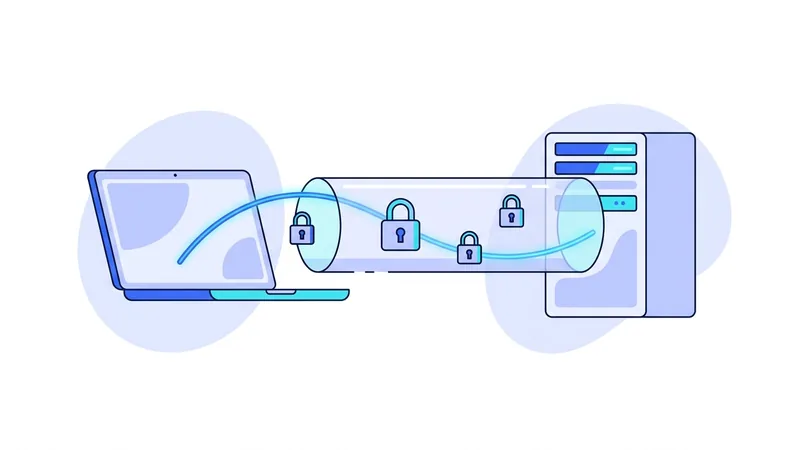
Most VPN connections use one server. Your device builds an encrypted tunnel to it, the server forwards your traffic, and replies come back the same way. A double VPN adds a second server to that chain. Your traffic passes through two hops before it reaches the open internet.
The idea sounds powerful, and the marketing around it often is. The reality is more measured. A double VPN solves one specific problem and charges a real price in speed to do it. This guide explains how it works, who it helps, and who can safely skip it.
If single-server VPNs are still new to you, start with our explainer on how VPNs work, then come back for the two-hop version.
What a Double VPN Actually Is
A double VPN, sometimes called multi-hop or double hop, routes your traffic through two VPN servers in sequence. Your device encrypts the data, sends it to the first server, and that server passes it, still encrypted, to a second server. The second server decrypts the inner layer and forwards your request to its destination.
The key detail is what each server can see. The first server knows your real IP address but not your final destination, because it only hands the traffic to the next server. The second server knows the destination but sees the traffic arriving from the first server, not from you. No single hop holds both ends of the story.
That split is the entire point. A normal VPN moves trust from your internet provider to one company's server. A double VPN spreads that trust across two locations, so a single compromised or pressured server learns less.
How the Two Hops Are Built
There are two common ways to set up multi-hop, and they behave differently.
- Nested tunnels. Your device builds a full encrypted tunnel to the second server, then wraps that inside a tunnel to the first server. The data is genuinely encrypted twice. This is the stronger design, but it costs more processing on your device.
- Server-side chaining. Your device connects to the first server normally, and the provider forwards your traffic to a second server on its own network. This is lighter on your device, but the link between the two servers is controlled by the provider rather than by your own keys.
Both approaches reach the same goal of separating who you are from where you go. The difference is where the second layer of encryption lives and who controls the hop between servers.
The Real Tradeoff: Speed
Here is the part the ads tend to skip. A double VPN is slower, often much slower, than a single connection. Three things stack up against you.
First, distance. Your traffic now travels to two servers that may be in different countries, so every round trip covers more ground. Distance adds latency you can feel on video calls and gaming. Our guide on why a VPN feels slow covers this in detail.
Second, double the cryptography. With nested tunnels, your device encrypts each packet twice and the path decrypts it twice. That is more work at both ends.
Third, two points of congestion. A single busy server slows you down. With two servers in the chain, either one being crowded drags the whole connection.
| Factor | Single VPN | Double VPN |
|---|---|---|
| Servers in the path | One | Two |
| Encryption layers | One | Two (nested setup) |
| Typical latency | Lower | Higher, often noticeably |
| Typical throughput | Higher | Lower |
| Trust split | One server location | Two server locations |
When a Double VPN Actually Helps
Multi-hop is a niche tool, and that is fine. It earns its place in a few situations.
It helps when you want no single server to hold both your identity and your destination, and you accept slower speeds to get that. It can also matter when the two servers sit in different legal jurisdictions, so pressure on one does not easily reach the other. For people who face real, specific threats, that separation is meaningful.
It is also a reasonable middle ground for someone who finds the Tor network too slow or too complex but wants more separation than a single hop gives. If you are weighing that path, our comparison of VPN versus Tor lays out where each one fits.
Tip: do not turn on multi-hop by default. Decide what specific risk you are reducing first. If you cannot name the threat the second hop addresses, a fast single connection is the better daily choice.
When It Does Not Help
For most people, most of the time, a double VPN adds cost without adding much. It does nothing about the parts of tracking that do not care about your IP address. Cookies still follow you. Browser fingerprinting still recognizes your device. If you log in to an account, that account still identifies you on both the first and second hop. None of that changes with a second server.
It also does not remove trust in the provider. The same company usually runs both servers, so you are still relying on one organization's practices. Two hops within one provider split where your data passes, but they do not turn one company into two independent ones. Our VPN security guide explains why provider choice and good habits matter more than hop count for everyday safety.
And it will not rescue a weak setup. If your DNS lookups leak outside the tunnel, two hops do not fix that. You would still want to run the test in our DNS leak guide on any connection, single or double.
How vpn.now Handles This
We will be straight with you: vpn.now does not offer a double VPN today. We run a single modern protocol with single-hop connections, because for the large majority of our users that combination delivers strong encryption and speed that stays out of the way. We would rather ship one fast, well run path than a slow feature most people would enable once and regret.
We describe multi-hop here because you deserve an honest picture of the option, not because we are selling it. If your situation genuinely calls for splitting trust across two jurisdictions, a single fast connection plus the obfuscation and leak protections we do offer may already cover your needs. You can see what we run across our server locations and decide from there.
The Jurisdiction Idea, and Where It Falls Short
One reason people reach for multi-hop is the idea behind routing through two servers in two different countries. When your traffic passes through two hops, no single server location sees both who you are and where you are going. The first hop knows your real address but not your destination. The second hop knows the destination but not you. On top of that, the two locations may sit under different legal systems. So in theory, no single authority can easily ask one operator for the whole picture, because no one operator holds it.
That theory is real, but it has limits worth saying plainly. If one company runs both hops, that same company could in principle line up the two halves and connect the dots. So the separation you are counting on usually comes down to trusting the provider not to match the hops together, not to some hard wall that makes it impossible. The two-country framing sounds strong in marketing, and it often gets oversold. Different flags on a map do not stop one operator from seeing both ends of its own network.
Here is the grounded version. For most everyday people, a single VPN you actually trust is plenty. It hides your traffic from your local network and your internet provider, and that covers the common reasons folks use vpn.now in the first place. Multi-hop adds a layer, but it does not change the fact that you are still trusting one company.
If you genuinely need strong separation between who you are and where you go, the better tool is usually Tor. It spreads trust across many independent operators by design, so no single party runs the whole path. That is the job it was built for, and it does it more thoroughly than any two-hop setup from one provider.
Summary
- A double VPN routes traffic through two servers, so neither one sees both your IP address and your destination.
- Nested tunnels encrypt twice on your device; server-side chaining is lighter but hands the middle hop to the provider.
- The main cost is speed: more distance, more encryption, and two possible points of congestion.
- It helps when you need to split trust across jurisdictions and accept the slowdown. It does nothing about cookies, logins, or fingerprinting.
- vpn.now runs a single-hop modern protocol today and does not offer multi-hop, which suits most everyday needs.